Mongolia Train Tickets
Tengriism, also known as Tengrism, is one of the oldest spiritual traditions of Central Asia. Long before Buddhism, Islam, or Christianity reached the Mongolian steppe, nomadic societies followed a belief system centered on nature, the sky, and the balance between humans and the universe. This ancient religion shaped the worldview of early Mongols, Turkic peoples, and other steppe civilizations for thousands of years.
Unlike organized religions with temples or written scriptures, Tengriism developed through oral tradition and daily life. It guided how people traveled, governed tribes, respected nature, and understood destiny. Even today, elements of Tengriist thinking remain visible in Mongolian culture, traditions, and attitudes toward the natural world.
Short answer:
Tengriism is an ancient Central Asian spiritual tradition focused on Tengri, the eternal Sky God who governs the universe and human fate. The belief system combines shamanism, ancestor worship, and respect for nature spirits.
Practiced by early Mongols and Turkic peoples, Tengriism influenced leaders such as Genghis Khan and shaped nomadic culture across Eurasia.
What is Tengriism?
Tengriism is an ancient faith that originated in the nomadic populations of the vast Eurasian Steppe, roughly around 2000–1000 BCE. It was not an organized religion with set rules but a worldview that helped humans interact with the environment, nature, and spirits.
The basic premise is that the universe is alive and balanced. Humans are not separate from nature but part of it. Harmony between people, the earth, and the sky was essential for survival.
Some of the characteristics of Tengriism:
Because nomadic life depended heavily on weather, animals, and seasonal movement, spirituality naturally focused on environmental forces.
The meaning of Tengri: the eternal sky
The word Tengri means “sky” or “heaven” in ancient Turkic and Mongolic languages. However, Tengri is not simply the physical sky. He represents an eternal cosmic power that controls fate, justice, and order.
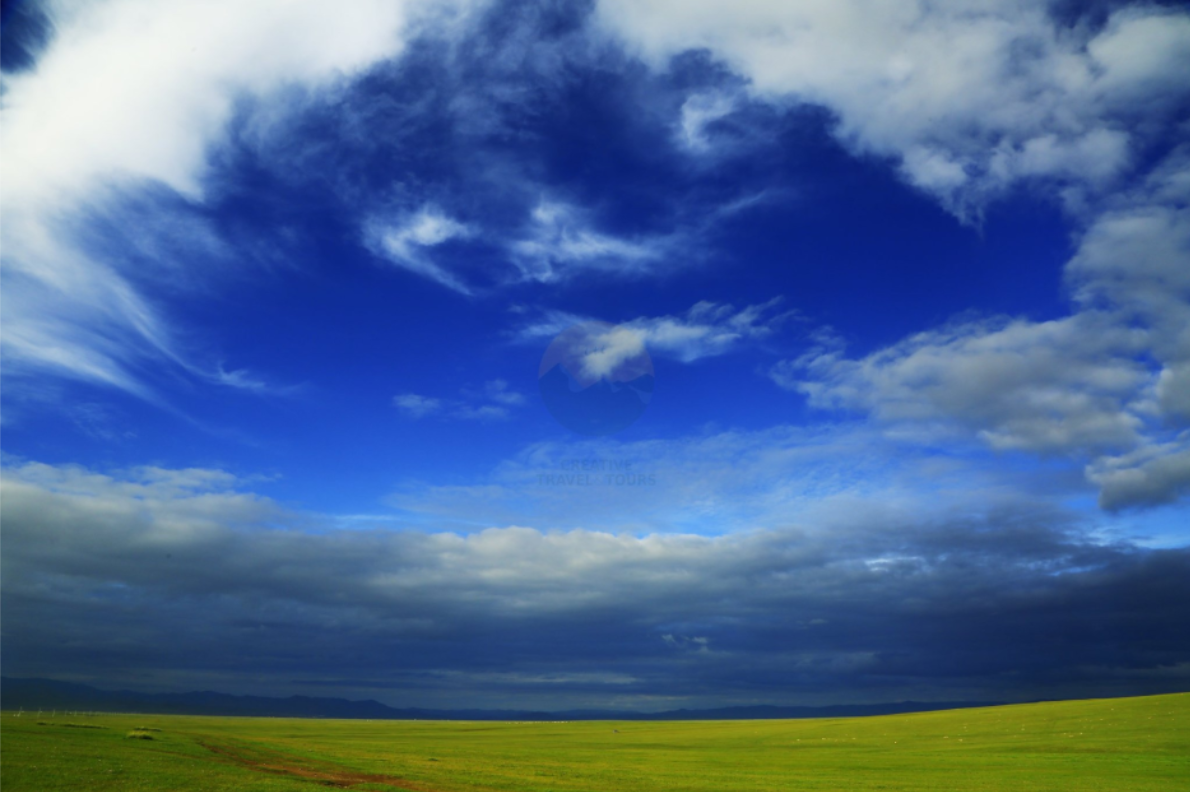 The eternal blue sky of Mongolia
Tengri was believed to be:
Unlike gods in many mythologies, Tengri did not require temples or idols. Worship often took place outdoors, under the open sky. Nomads believed that the vast blue sky symbolized divine presence itself.
Leaders claimed legitimacy through Tengri’s blessing. Success in war or leadership was seen as proof that Tengri supported a ruler.
The Spiritual World in Tengriism
Tengriism includes more than one divine force. While Tengri stands above all, the universe contains multiple spiritual layers.
Upper World
The sky realm where Tengri and celestial spirits exist. It represents order and destiny.
Middle World
The human world, where people live alongside nature spirits.
Lower World
A spiritual underworld ruled by Erlik, associated with death and hardship.
This framework helped nomads explain natural events such as storms, illness, or fortune. Spiritual practices often involved making offerings at sacred sites or rituals performed by shamans.
Tengriism and Genghis Khan
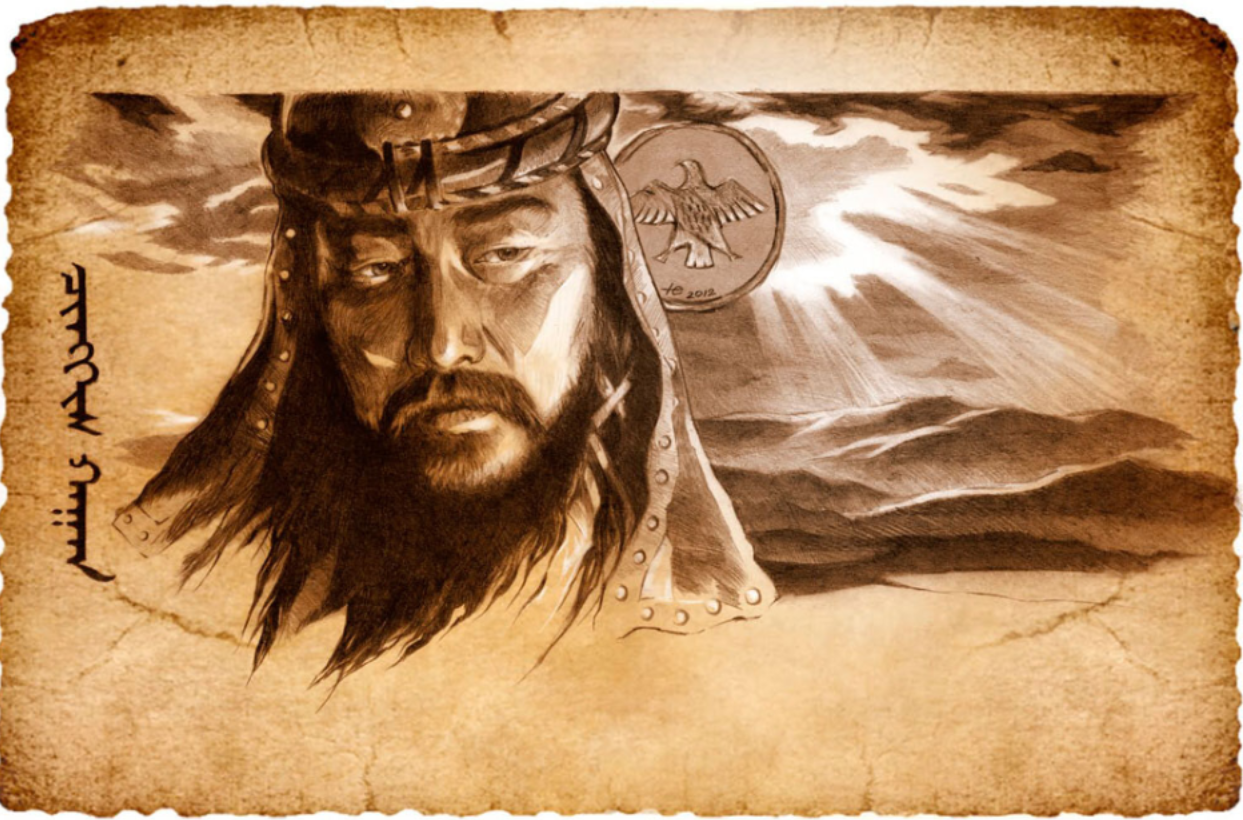
Genghis Khan, Mongolia’s national hero, was a follower of Tengriism. He credited his victories and leadership to Tengri’s grace rather than personal strength.
Tengriism influenced Mongol leadership by framing military success as a sign of Tengri’s favor. It also shaped laws and policies, encouraging fairness and religious tolerance for conquered peoples.
Nature Spirits and Sacred Landscapes
A key role in the belief system of Tengriism was played by nature: mountains, rivers, forests, and animals were perceived as living beings imbued with spiritual energy.
Important concepts:
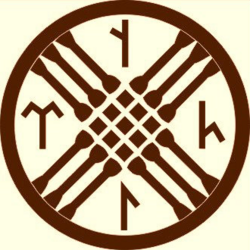 Ornament of Shamanism
Travelers moving across the steppes used to make small offerings, such as placing stones on the sacred cairns called "ovoo" or leaving milk as an offering to nature. This cannot be called worship in the religious meaning of the word, but rather a manifestation of respect for nature.
The Role of Shamans
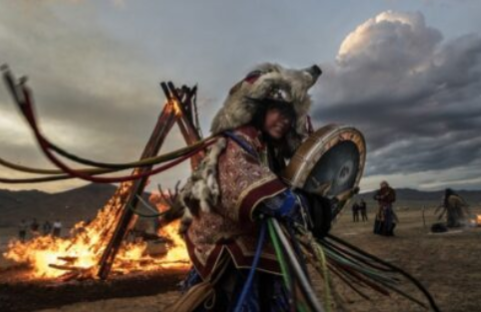 Shaman
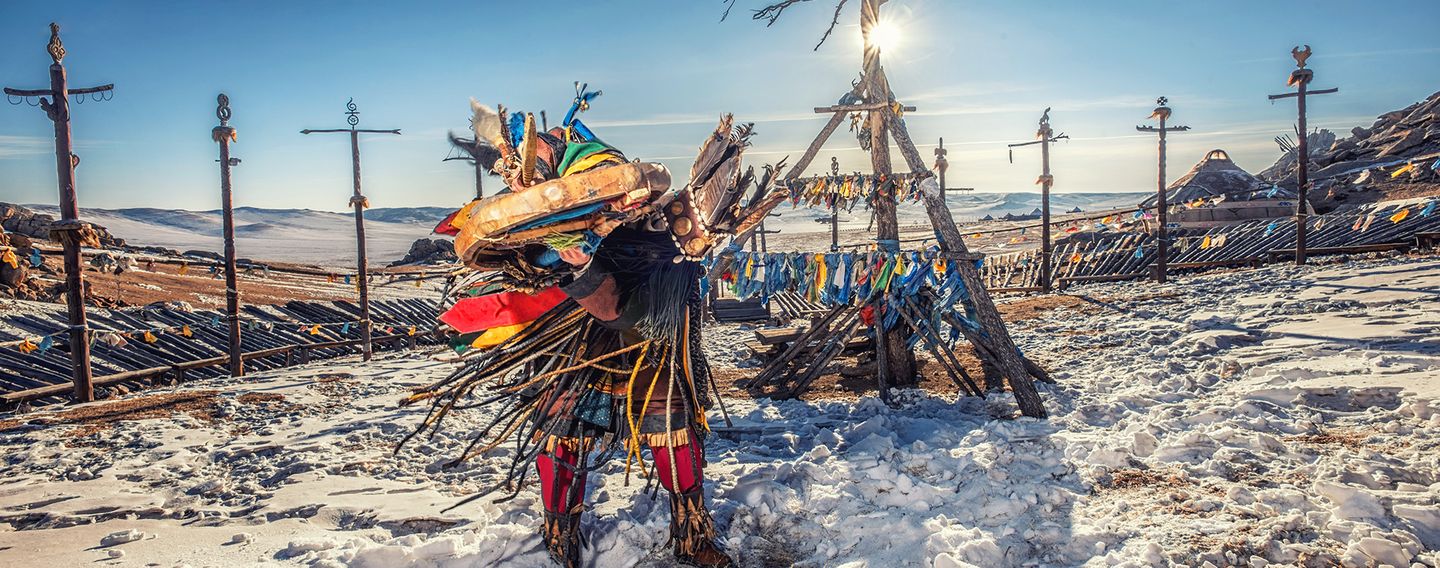
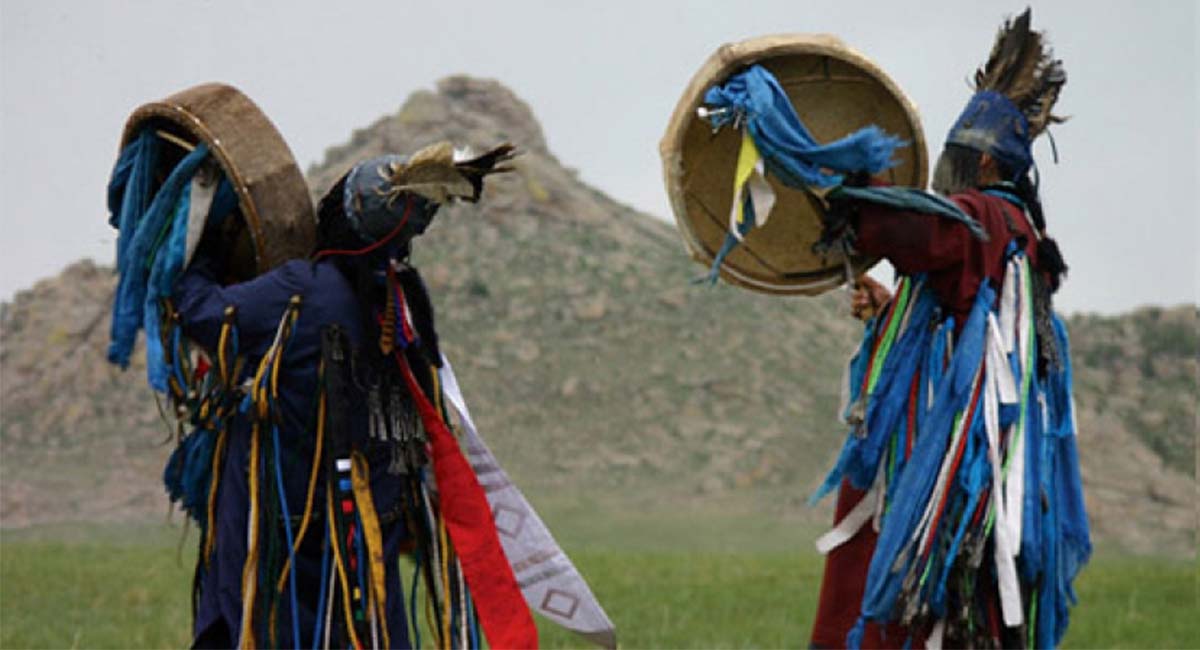
Shamans were spiritual intermediaries who helped to connect people with the spirit world. Unlike priests of organized religions, shamans were not part of a formal structure of authority. Rather, shamans were individual spiritual intermediaries who were perceived to have special spiritual talents by the members of the community.
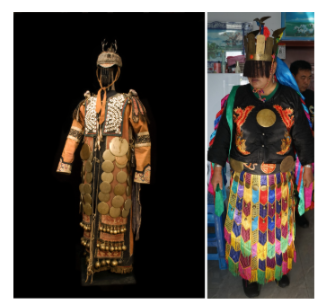 Shaman Dress. Credits: MAA Digital Lab
The role of shamans included communication with the spirit world, curing diseases perceived to be spiritually induced, conducting important tribal rituals, and interpreting dreams or forecasting future events. In order to carry out these roles, shamans had to induce a state of trance by drumming, chanting, and deep meditation, as this enabled them to transcend to different spiritual worlds with their souls.
Unlike priests who used authority to exercise power over the members of the religious group, shamans used trust, respect, and spiritual knowledge to exert influence over the members of the community.
Religious Tolerance in the Mongol Empire
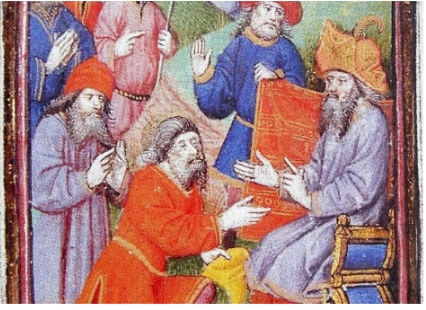 15th-century illustration depicting the legendary meeting between the Venetian traveler Marco Polo and the Mongol Emperor Kublai Khan
One of the most remarkable features of the Mongol Empire was religious freedom. Conquered peoples were allowed to keep their beliefs as long as they remained loyal politically.
Historians suggest Tengriist philosophy contributed to this policy because:
As a result, the empire became a place of cultural exchange where scholars, merchants, and religious leaders traveled safely across continents.
Tengriism and the Silk Road
The Mongol Empire connected East and West through trade networks later called the Silk Road. Tengriist tolerance allowed ideas and technologies to move freely. During this period:
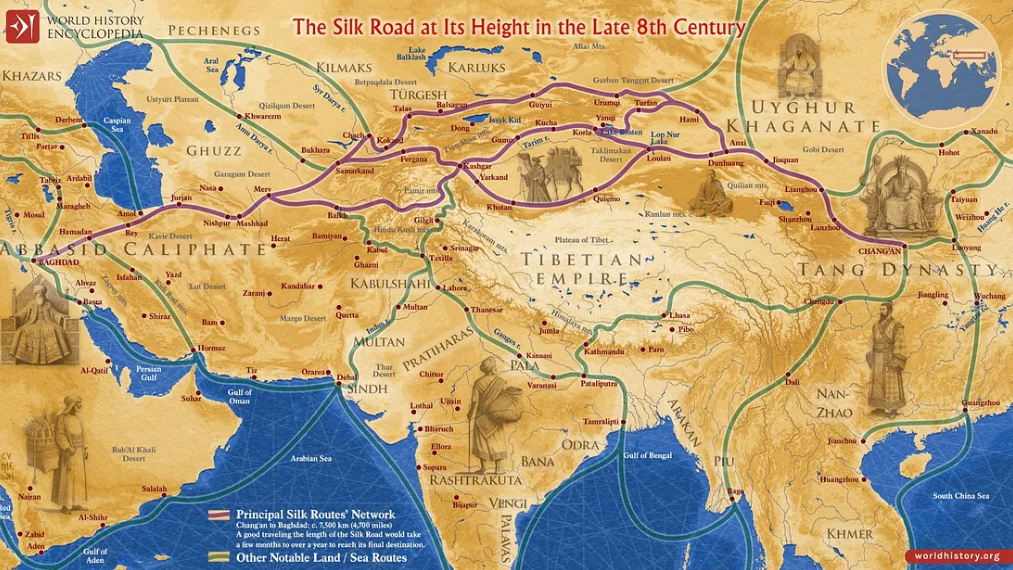 Silk Road of 8th Century
Tengriism indirectly influenced global history by supporting openness rather than isolation!
Decline of Tengriism
Over time, organized religions expanded across Central Asia.
Major changes included:
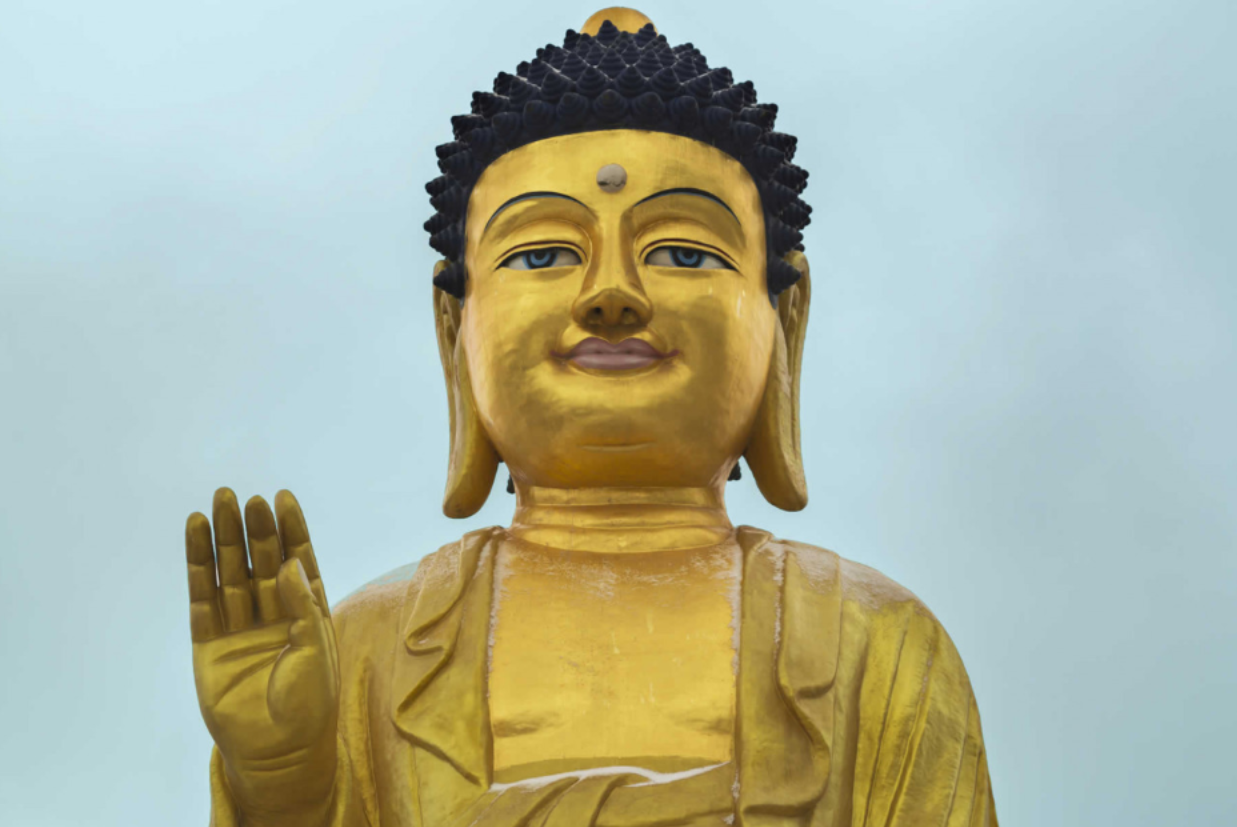
These religions introduced written scriptures and institutional structures, gradually replacing traditional practices. However, Tengriism never fully disappeared.
Many rituals merged with newer religions instead of vanishing completely.
Tengriism in Modern Mongolia and Central Asia
Today, Tengriism survives mainly as a form of cultural heritage rather than a widely practiced organized religion. Revived expressions of Tengriist spirituality can still be found in parts of Mongolia, Kazakhstan, and Siberia, where some communities maintain traditional rituals and beliefs connected to nature and ancestors.
Modern interest in Tengriism has grown due to the revival of cultural identity, increasing environmental awareness, and academic research focused on indigenous traditions and worldviews.
Although many Mongolians do not formally identify themselves as followers of Tengriism, elements of the ancient belief system remain visible in everyday customs, such as showing respect to sacred mountains, honoring nature, and making symbolic offerings at ovoo sites, which continue to reflect a deep spiritual connection between people and the natural world.
Why Tengriism Still Fascinates Travelers
International visitors are often surprised to learn how deeply spirituality is connected to Mongolia’s landscape. Tengriism helps explain why Mongolian culture emphasizes open space, respect for nature, and harmony with the environment.
Travelers visiting Mongolia may notice:
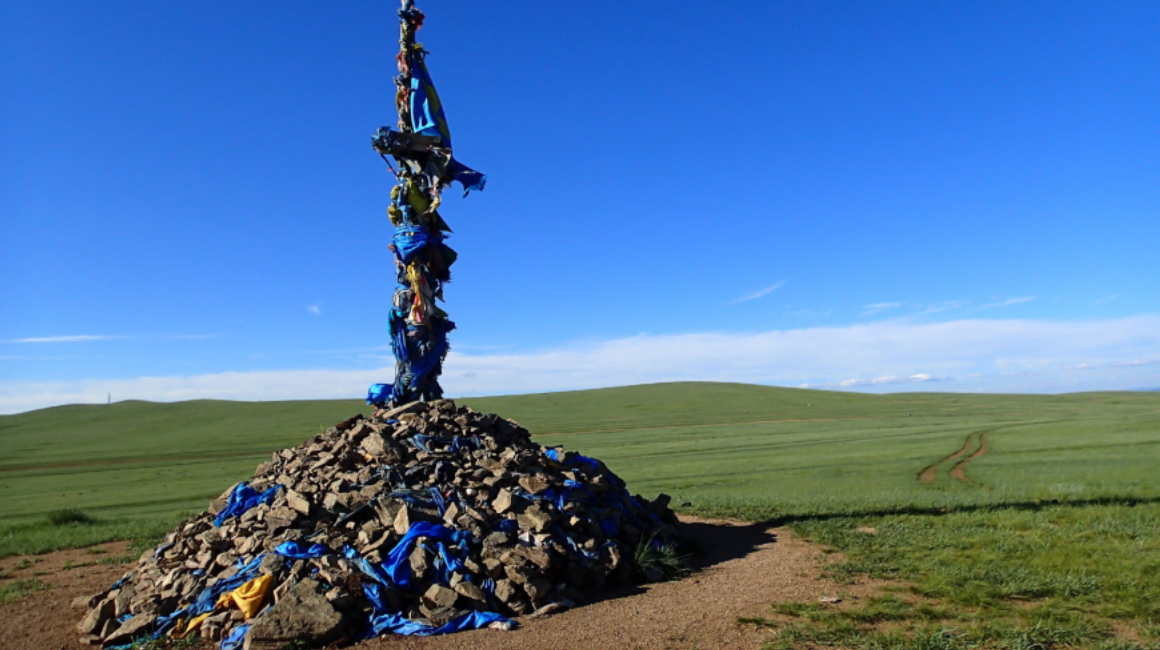 Stone ovoo
Tengriism’s Influence on Mongolian Culture Today
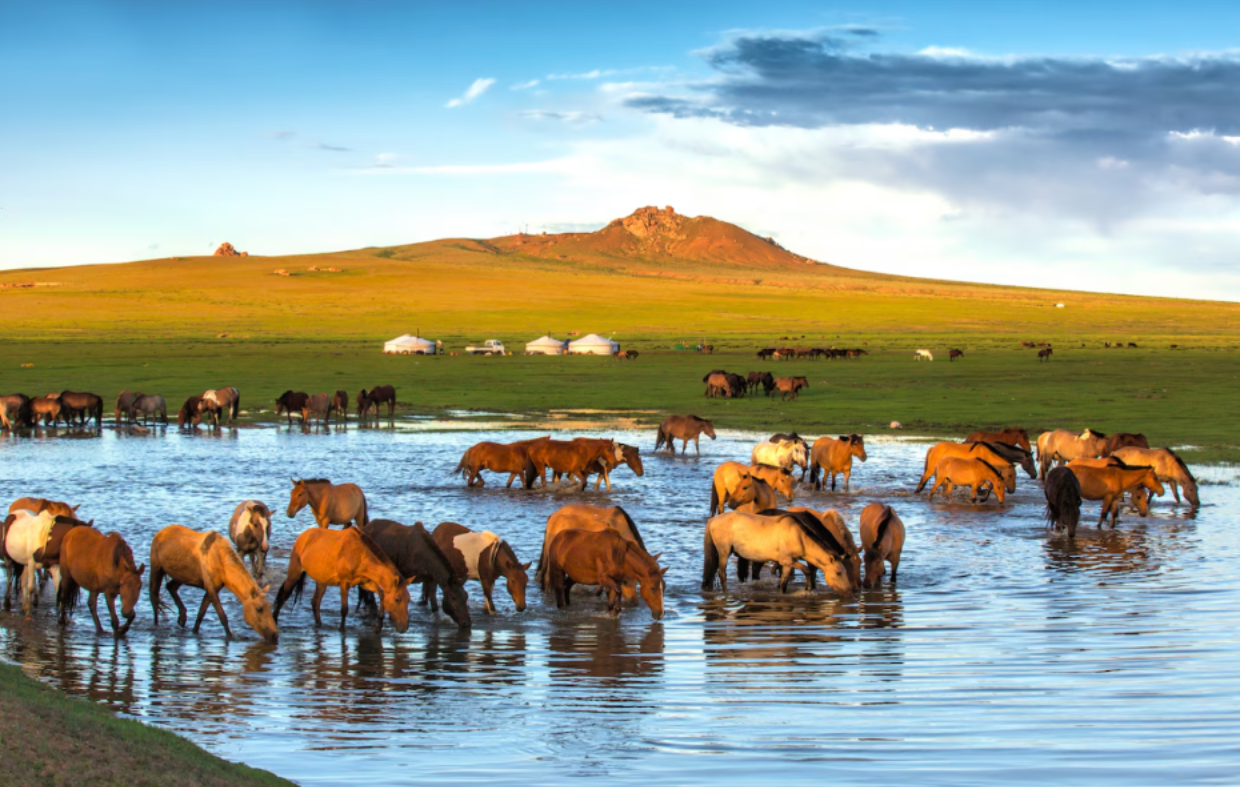 Serene, wide-angle view of a herd of Mongolian horses at a watering hole on the open steppe
Even without formal practice, Tengriist values continue to shape modern Mongolian cultural identity. Respect for elders and ancestors remains central to family and social life, while a strong connection to the land, animals, and natural cycles influences daily activities.
The spiritual significance of the sky, weather, and seasonal changes is also a reflection of the ancient idea of living in harmony with the universe. The emphasis on balance, moderation, and coexistence is the basis of moral values and decision-making. These values are still alive today in the form of celebrations, stories, rituals, and practices, connecting us with the past spiritual heritage of the steppe people.
Frequently Asked Questions (FAQ)
What is Tengriism?
Tengriism is an ancient Central Asian spiritual tradition centered on Tengri, the Sky God, and respect for nature, spirits, and ancestors.
Who practiced Tengriism?
It was followed by early Mongols, Turkic peoples, Bulgars, and other nomadic societies across the Eurasian steppe.
Was Genghis Khan a follower of Tengriism?
Yes. Historical records show he believed his authority came from Tengri and promoted religious tolerance within his empire.
Is Tengriism still practiced today?
Yes, though on a smaller scale. Some communities practice revived traditions, and many cultural customs still reflect Tengriist ideas.
Does Tengriism have temples or holy books?
No. Worship traditionally takes place in nature, and teachings were passed orally rather than written.
What role do shamans play?
Shamans act as spiritual mediators who communicate with spirits and guide rituals within communities.
How is Tengriism different from shamanism?
Shamanism is a practice within Tengriism, while Tengriism is the broader belief system including cosmology and ethics.
Why is Tengriism important historically?
It shaped the worldview of the Mongol Empire and influenced policies such as religious tolerance and cultural exchange across Eurasia.